Muay Thai Training Tips 2026 - Complete Guide for Beginners
Share
Why Muay Thai Is the Perfect Martial Art
Muay Thai stands out from other martial arts by using fists, elbows, knees, and shins. This combination makes it not only an excellent self-defense method but also a fantastic way to stay fit. In 2026, we see more athletes switching to Muay Thai because of the complete body workout it offers.
What makes Muay Thai unique is the focus on both mental and physical strength. Every training challenges you to push your limits and develop discipline you can use outside the gym.
The Fundamentals: Mastering Basic Techniques
Jab, Cross, and Hook – Perfecting Your Fist Technique
Always start with the basic punch: the jab. This quick, straight punch with your lead hand forms the foundation of all your striking. Keep your fist firm but relaxed, rotate your shoulder, and pull back immediately to your chin.
The cross, on the other hand, is your power punch. Rotate your entire body, from your back foot to your shoulder. A good cross starts with your feet – without that rotation, you lose 70% of your power.
For the hook, swing your lead hand in an arc toward your opponent. Make sure your elbow stays at shoulder height and use your hip for extra power. Good Muay Thai gloves with flexible wrist support are essential.
Kicks – The Power of Muay Thai
The roundhouse kick is the signature move of Muay Thai. Start with your leg slightly bent, fully rotate your hip, and strike with your shin – never with your foot. Begin slowly and gradually build up speed and power.
Practice your kicks daily on a punching bag or pads. Start with low kicks to the thighs, work up to the ribs, and eventually to the head. Don’t forget to train both legs evenly. Protect your shins during training with good shin guards — especially when training on pads or sparring.
Knee and Elbow Techniques
Knees are devastating weapons in the clinch. Pull your opponent towards you while driving your knee upward. Use your whole body – your knee is just the contact point.
Elbows are perfect for close combat. The horizontal elbow and the upward elbow are your main weapons. Practice these slowly to prevent injuries.
Conditioning and Physical Preparation
Cardio Training for Fighters
Muay Thai demands explosive power combined with endurance. Alternate short, intense intervals with longer cardio sessions. Jump rope is ideal – it improves your footwork, timing, and cardio all at once.
Plan at least 3 cardio sessions per week. Think 20 minutes of interval running on Monday, 30 minutes of steady-state cardio on Wednesday, and an intense HIIT session on Friday.
Strength and Explosiveness
Muay Thai is about functional strength. Squats, deadlifts, and pull-ups are your best friends. But don’t forget plyometric exercises: box jumps, clapping push-ups, and medicine ball throws develop the explosiveness you need.
Train strength 2-3 times a week, but never combine this with heavy technique sessions on the same day. Your body needs time to recover.
Mental Training and Discipline
Developing Focus and Concentration
Real Muay Thai goes beyond physical techniques. Develop your mental game by being fully present during training. No phone, no distractions – just you and your training.
Visualization also works great. Imagine how your techniques look, feel the movement in your mind before performing them. Many top fighters use this technique daily.
Dealing with Pain and Discomfort
Muay Thai conditioning can be tough, especially for your shins and forearms. Start gradually – your body adapts, but it takes time. Massage your shins daily and use proper protective gear during sparring.
Practical Training Tips for Faster Progress
Structure Your Training Sessions
Warm-up (10-15 minutes):
- 5 minutes light jogging or cycling
- Dynamic stretches: leg swings, arm circles
- Shadowboxing to prepare your body
Technique Training (20-30 minutes):
- Focus on 2-3 techniques per session
- Repeat each technique at least 50 times
- Work slowly towards speed and power
Conditioning (15-20 minutes):
- Pad work or heavy bag training
- Intervals: 3 minutes work, 1 minute rest
- At least 5 rounds
Cool-down (10 minutes):
- Static stretches
- Focus on hips, hamstrings, and shoulders
- Breathing Exercises
Frequency and Recovery
Train 3-4 times a week as a beginner, 5-6 times if you’re advanced. But consistency is more important than frequency. It’s better to train disciplined 3 times a week than sporadically 6 times.
Plan active rest days: light yoga, walking, or swimming help your body recover without complete inactivity.
Nutrition for Muay Thai Fighters
Your body is your tool – fuel it well. Eat a combination of protein and carbohydrates within 30 minutes after your workout. Think of a banana with peanut butter or a protein shake with oatmeal.
Stay well hydrated: drink at least 2-3 liters of water per day, more during intense training periods. Electrolytes are crucial – add some sea salt to your water or use a natural sports drink.
Common Mistakes and How to Avoid Them
Technical Errors
The biggest mistake beginners make? Wanting to go too fast. Perfect technique at low speed is a thousand times more valuable than sloppy movements at high speed. Your muscle memory develops through correct repetition, not speed.
Another common mistake is neglecting defense. Train your blocks, parries, and footwork as intensively as your attacks. Good defense wins fights.
Training Mistakes
Overtraining is a real pitfall. Your body grows during rest, not during training. If you’re constantly tired, in pain, or your performance declines, take a few days off.
Don’t forget your weak sides either. Right-handed fighters often neglect their left kick, left-handed people their right jab. Train both sides equally to become a complete fighter.
Equipment for Effective Muay Thai Training
Good equipment makes the difference between a frustrating and a productive training session. For muay thai, you need specific gear that can withstand the intensity of this sport.
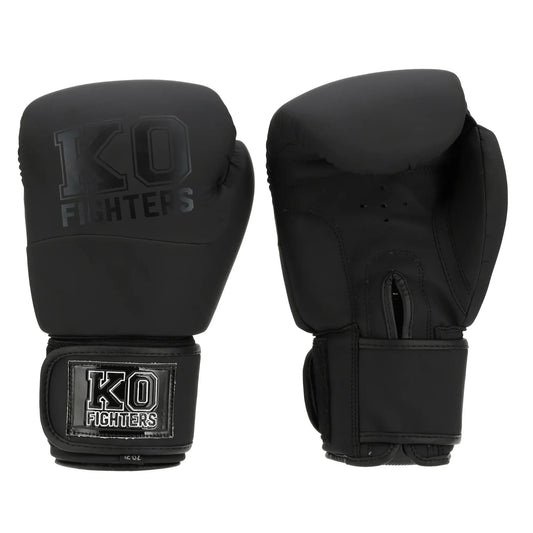
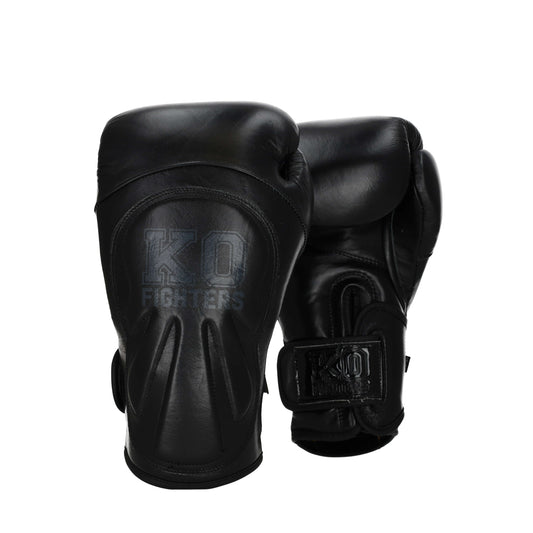
Gloves: Muay thai gloves differ from boxing gloves — they are more flexible for clinch work. 12-14 oz is ideal for training, 16 oz for sparring. The Thunder Strike boxing gloves from KO Fighters are perfect for beginners and advanced — comfortable, durable, and with excellent wrist support for €54.99.
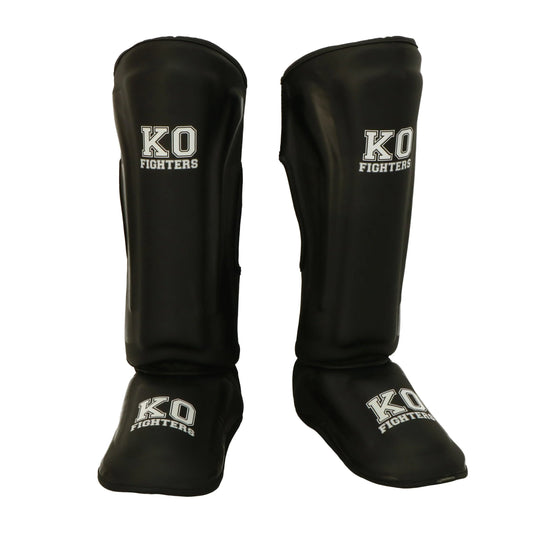
Shin Guards: Essential for beginners and during sparring. Choose guards that cover your entire shin and foot. The Kickmachine shin guards from KO Fighters offer full protection and are made from high-quality material.
Bandages: Don’t forget to protect your wrists. The 4.5M KO Fighters bandages are the perfect base under your gloves — they protect your joints and provide extra stability during intense training.
Inner Gloves: For extra hygiene and protection, inner gloves are a smart addition. They keep your gloves fresher and provide extra cushioning.
From Beginner to Advanced: Your Development Path
Month 1-3: Laying the Foundations
Focus entirely on basic techniques and building endurance. Learn the eight basic techniques: jab, cross, hook, uppercut, roundhouse kick, push kick, knee, and elbow. Practice these thousands of times until they feel natural.
Gradually build your training from 30 to 60 minutes. Your body needs to get used to the demands of muay thai.
Month 4-6: Combinations and Timing
Start with simple combinations: jab-cross-kick, for example. Work on your timing through rhythm exercises and pad work. Introduce light sparring with experienced partners.
This is also the time to intensify your physical training. Add strength training and increase your cardio intensity.
Months 7-12: Advanced Techniques
Learn advanced combinations, counters, and clinch work. Start competition sparring if you’re interested in fighting matches. Develop your own style within the muay thai fundamentals.
Specialize in certain techniques where you have natural talent, but keep training your weaknesses.
1 Year and Beyond: Developing Mastery
True muay thai mastery only comes after years of dedicated training. Keep learning from experienced coaches, watch professional matches, and keep experimenting with new techniques.
Consider helping others train – teaching greatly deepens your own understanding of the sport.
Sparring: Learning to Fight Safely
Preparing for Your First Sparring
Sparring is intimidating but essential for your development. Start with light sparring – maximum 30% power. It’s about applying techniques, not knocking each other out.
Make sure to wear complete protective gear: headgear, mouthguard, chest/rib protection, and shin guards. Safety always comes first.
Communicate with your sparring partner. Discuss beforehand what you want to practice and at what intensity. Good sparring partners help each other improve.
Sparring Etiquette
Respect is crucial in muay thai. Thank your partner after every session, no matter who ‘won.’ Sparring is collaboration, not competition.
Check your ego. It’s normal to get hit, even by less experienced people. Learn from it instead of getting frustrated.
Conclusion: Your Muay Thai Journey Starts Now
Muay thai is more than a sport – it’s a lifestyle that builds discipline, respect, and perseverance. With these training tips, you have a solid foundation to start your journey or take your current level to new heights.
Remember: progress comes from consistency, not perfection. Every training session makes you stronger, every technique you practice improves your skillset. Start today, stay patient, and enjoy the process.
Ready to take your muay thai training to the next level? At KO Fighters you'll find all the gear you need to train safely and effectively. From the Thunder Strike gloves to the Kickmachine shin guards — we have everything for both beginner and advanced fighters. Shop your muay thai gear now and start your transformation!