🥊 Difference between bag training and sparring (and what is best for your training)
Share
Difference between bag training and sparring (and what is best for your training)
Whether you are just starting with (kick)boxing or have been training for a while, you often hear the terms “bag training” and “sparring”. But what exactly is the difference between the two? And when do you choose which training form?
In this comprehensive blog, we explain the differences in terms of technique, intensity, safety, equipment, and goals. This way, you can better determine which form suits your level, goal, and training style best.
What is bag training?
In bag training, you use a punching bag to practice punches, kicks, and combinations. You train alone and set your own pace, power, and focus for your workout.
Benefits of bag training:
- Technique at your own pace: you can repeat endlessly without pressure
- Intensive workout: perfect for fat burning, conditioning, and explosiveness
- Stress-relieving: you blow off steam without an opponent
- Safe: no risk of getting hit by someone else
When is bag training ideal?
- If you are just starting with boxing or kickboxing
- If you want to work on your technique or conditioning
- If you train at home (with a punching bag hanging from the ceiling or a standing bag)
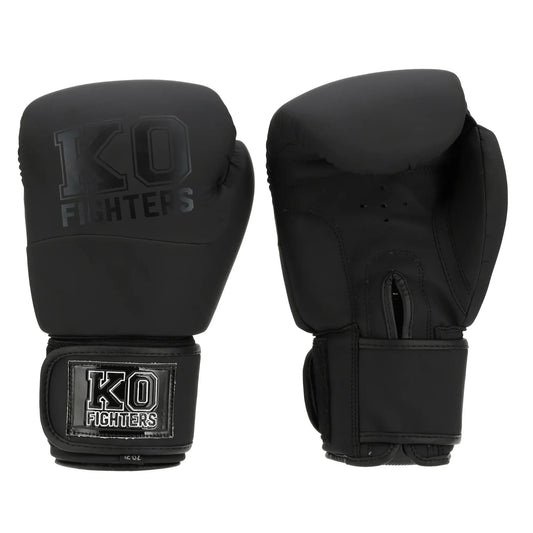
👉 Tip: always use good bandages and boxing gloves during bag training to protect your knuckles and wrists.
What is sparring?
Sparring is training with a partner where you apply techniques as if you are in a real match — but with control. Sparring is about timing, distance, insight, and reacting to your opponent.
Benefits of sparring:
- Realistic: you learn to handle pressure and real situations
- Tactically stronger: you train your reaction speed and adaptability
- Growth as a fighter: you truly learn boxing or kickboxing
Different forms of sparring:
- Technical sparring: slow, controlled, focused on technique
- Light sparring: at 30–50% power
- Hard sparring: almost match pace (for advanced only!)
When is sparring ideal?
- If you already have some basic technique
- If you want to prepare for matches
- If you want to improve your reactions, timing, and feel
👉 Sparring requires extra protection such as a mouthguard, shin guards, and sometimes a head guard.
Bag training vs sparring: the difference at a glance
| Aspect | Bag training | Sparring |
|---|---|---|
| Train with | Punching bag | Partner |
| Control over pace | Complete | Depends on partner |
| Goal | Technique, condition, strength | Reactions, timing, insight |
| Risk of hits | No | Yes (for mistakes or hard sparring) |
| Required protection | Gloves, bandages | Gloves, mouthguard, shin guards |
What is better: bag training or sparring?
There is no right or wrong answer. Both forms have their own value. In fact, they complement each other perfectly.
👉 Beginners
Start with bag training to build technique, endurance, and strength. Once you're comfortable with the basics, you can start technical sparring.
👉 Advanced
Combine bag training with sparring. The bag is ideal for power and combinations. Sparring is essential for real situations and mental sharpness.
👉 Competitive fighters
Bag training = volume. Sparring = reality. You need both to be in top shape and match-ready.
Conclusion
Bag training and sparring are two completely different but valuable forms of training. While bag training focuses on power, repetition, and your own pace, sparring is about feeling, reaction, and learning from your opponent.
Train smart, train safe, and use the right equipment. At KO Fighters, you'll find everything you need to get the most out of your bag training and sparring sessions.
👉 Check out our collection of boxing gloves, bandages, and shin guards here.