Boxing Learning as an Adult: Complete Beginner's Guide 2026
Share
Do you think you are too old to start boxing? Nothing could be further from the truth! More and more adults are discovering the power of boxing, from 30-somethings putting on their first gloves to 50-plus individuals boosting their fitness. Boxing is not just for young athletes – it’s a fantastic way to stay fit, relieve stress, and build confidence, no matter your age.
Why Boxing is Perfect for Adults
Boxing is often seen as a youth sport, but the reality is different. Many boxing gyms see a growing group of adult beginners who enter the ring for various reasons. Research shows that 40% of all new boxers are over 25 years old, and this trend continues to grow every year.
As an adult, you actually have some advantages over younger athletes:
- Mental discipline: You have more patience and perseverance to learn techniques
- Body awareness: You know your limits better and listen to your body
- Motivation: You know exactly why you are doing this – whether it’s for fitness, self-defense, or stress relief
- Financial possibilities: You can invest in good equipment without having to ask your parents
The Benefits of Boxing for Adults
Physical Benefits
Boxing is one of the most complete forms of training there is. In one hour of boxing, you burn on average 400-600 calories – more than most other sports. You train not only your arms but your whole body:
- Cardiovascular fitness: Your heart and lungs get stronger
- Coordination: Hand-eye coordination improves drastically
- Strength and endurance: Both explosive and stamina develop
- Flexibility: Turning and moving makes you more flexible
Mental Benefits
But the mental benefits may be even more important. Many adults start boxing as an outlet for the daily stress of work and family. The rhythm of jabs and crosses has a meditative effect – you are fully focused on the moment and forget all worries.
In addition, boxing builds a lot of self-confidence. Not just physically, but mentally as well. You learn to perform under pressure, make quick decisions, and push your limits.
Common Concerns (and Why They Are Unfounded)
"I'm too old to start"
This is the most common objection, but completely unfounded. Bernard Hopkins became world champion at 46, and although you might not be aiming for a world title, this shows that age doesn't have to be a barrier. Many boxing gyms have special classes for adult beginners, often '30+' or '40+' groups.
"I'm not fit enough"
There is a misconception here: you start boxing to get fitter, not the other way around. A good trainer adjusts the training to your level. In the first weeks, you mainly do technique training and light conditioning. Within 6-8 weeks, you'll already notice a clear difference in your fitness.
"I don't want to damage my face"
Boxing doesn't automatically mean sparring or fighting. Many adults do fitness boxing only: training on bags, pads, and technique work. If you do want to spar, it always happens controlled and with full protection.
How to Start Boxing Safely as an Adult?
Step 1: Medical Check
Get a medical check-up first, especially if you are over 35 or haven't exercised for a long time. An ECG and general physical exam give you and your trainer confidence that you can start safely.
Step 2: Find the Right Gym
Not every boxing gym is suitable for adult beginners. Look for certified trainers experienced in teaching adults, special beginner classes or '30+' groups, and a welcoming, respectful atmosphere.
Step 3: Start Slowly
In your first months, focus purely on basic techniques and building conditioning. Think 2-3 training sessions per week of 60-75 minutes. More is counterproductive – your body needs rest to recover and get stronger.
Step 4: Listen to Your Body
As an adult, you recover more slowly than a 20-year-old. That's normal and nothing to be ashamed of. Muscle pain is okay, joint pain is a warning sign. Good warm-up and cooling down become more crucial as you get older.
Your First Training: What to Expect?
Your first boxing class will probably be different from what you expect. No wild fights, but structured technique lessons. A typical beginner training looks like this:
- Warm-up (10-15 minutes): Light jogging, stretching, mobility
- Technique training (20-30 minutes): Basic stances, jab, cross, hook
- Padwork or bag training (15-20 minutes): Applying techniques
- Conditioning training (10-15 minutes): Jump rope, core exercises
- Cooling down (5-10 minutes): Stretching and relaxation
Don't expect to master everything right away. Even simple moves like a jab feel unnatural at first. That's completely normal – within a few weeks, you'll feel much more natural.
Essential Equipment for the Adult Beginner
As an adult, you probably have the financial means to invest in good equipment. That’s smart, because quality gear lasts longer and protects you better.
Must-have Items
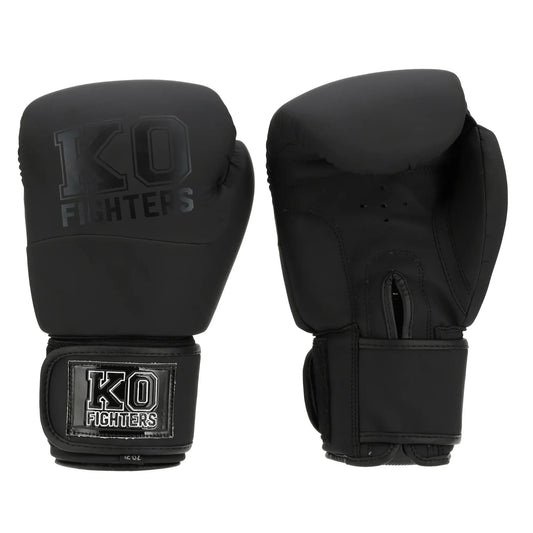
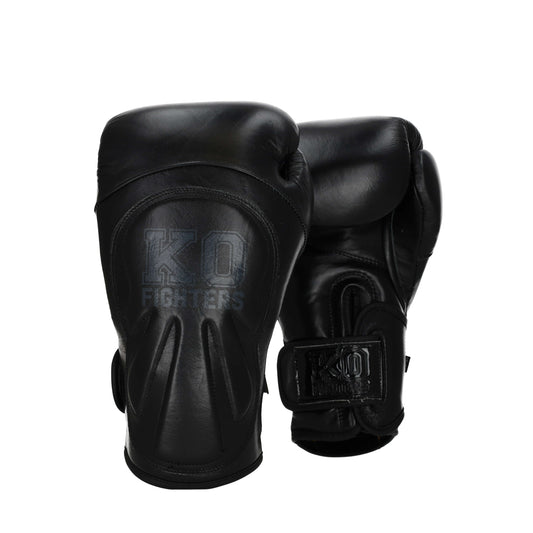
Boxing gloves are of course essential. For adult beginners, gloves of 12-16 oz are ideal. The Thunder Strike gloves from KO Fighters (€54.99) are specially designed for comfort during longer training sessions — perfect for the adult beginner. Want the very best right away? Then check out the Punch Machine 2.0 (€99.99) for premium protection and comfort.
Bandages are just as important as your gloves. They stabilize your wrists and knuckles. Many adult beginners underestimate this until they get sore wrists after their first bag training. The 4.5M KO Fighters bandages (€14.99) are the perfect choice — long enough for optimal protection and easy to wrap.
Inner gloves are a smart addition for extra hygiene and protection. The inner gloves from KO Fighters keep your boxing gloves fresher and provide extra cushioning on your knuckles.
Nice-to-have Equipment
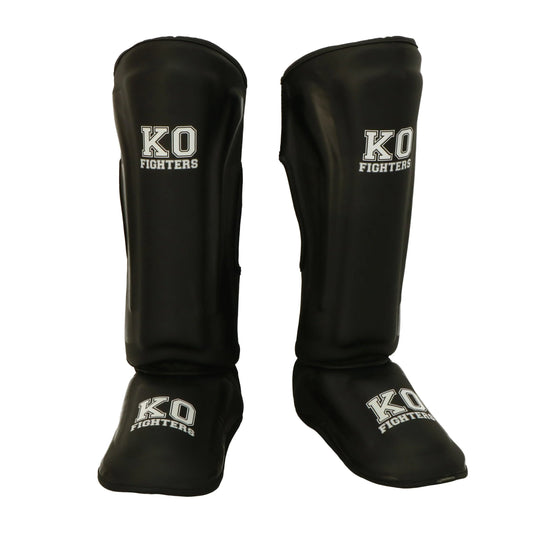
A head guard is recommended if you plan to spar. Shin guards are useful if your gym also integrates kickboxing elements into the lessons — the Kickmachine shin guards offer excellent protection for €64.99.
Having your own jump rope is practical – you can train at home and don’t have to wait at the gym. For adults, jump ropes with some weight in the handles are often more comfortable for the wrists.
Combining Home Training with the Boxing Gym
As an adult, you probably have a busy schedule. Home training can be a perfect addition to your lessons at the boxing gym. Consider:
- 15-20 minutes of jump rope for conditioning
- Shadowboxing for technique (5-10 minutes)
- Core exercises for stability
- Stretching for flexibility
Note: never completely replace home training with lessons with a trainer. You only learn technique under the guidance of an experienced coach.
Setting Realistic Goals as an Adult Beginner
Set realistic, measurable goals:
- Months 1-2: Master basic stances and jab-cross combination
- Months 3-4: Able to sustain 3 rounds of pad work without being completely exhausted
- Month 6: Able to throw smooth combinations and master basic defense
- Year 1: Maybe your first (light) sparring session
Don’t compare yourself to 20-year-olds in the gym. Compare yourself to who you were when you started. That progress is much more important and motivating.
The Social Side of Boxing as an Adult
An underestimated aspect of boxing is the social component. Boxing creates unique bonds between training partners. There is mutual respect – you literally trust each other with your safety.
Many adult boxers find a second family in their boxing gym. You train together, sweat together, celebrate successes together. For adults who often face a lot of competition at work, the collegial atmosphere in a good boxing gym is refreshing.
Women and Boxing: A Growing Trend
More and more women are discovering boxing as a sport. About 30% of all new adult boxers are women, and that percentage is still growing. Boxing is a fantastic sport for women to build strength, gain confidence, and relieve stress. Moreover, many techniques are based on speed and timing rather than pure strength.
Long-term Injury Prevention
As an adult, injury prevention is extra important. You recover more slowly and likely have work and family commitments that make injuries especially troublesome.
Prevention tips:
- Always warm up properly: Spend 10-15 minutes warming up
- Technique over strength: Learn the right movements first, strength comes later
- Take rest: Don’t train through pain
- Diversify your training: Combine boxing with yoga, swimming, or walking
Invest in good gear — check out the boxing gloves and protective equipment from KO Fighters, specially designed to prevent injuries.
Nutrition and Recovery for the Adult Boxer
As an adult, your nutrition is crucial for performance and recovery. Proteins are essential for muscle repair – aim for 1.2-1.6 grams of protein per kilogram of body weight per day. Carbohydrates provide energy for training, fats are important for hormone production.
Hydration is underestimated. During an intensive boxing training, you lose 1-2 liters of fluid. Start your training hydrated and drink small sips regularly.
Sleep is your secret weapon. Adults need 7-9 hours of sleep for optimal recovery. During sleep, your muscles recover and you process new movement patterns.
From Beginner to Advanced: Your Boxing Journey
Boxing is a journey without a final destination. Even after years, you learn new techniques, improve small details, and work on your fitness. That’s what makes the sport so addictive — there’s always room for growth.
After your first year, you might be able to participate in veterans’ matches (35+ or 40+ categories), sign up for boxing camps, or simply keep training for your own enjoyment and health.
Practical Tips for Success
- Start with 2 training sessions per week: More is counterproductive at first
- Invest in a good coach: Technique is everything in boxing
- Keep a training journal: Note what you’ve learned and what you want to work on
- Be patient with yourself: Results come, but not overnight
- Enjoy the process: Every small success is a victory
Frequently Asked Questions
"Can I start boxing if I am overweight?"
Absolutely! Boxing is actually a fantastic way to lose weight. Start gently and build up slowly. Within 3-6 months of intensive training, you’ll see significant results.
"Do I have to compete in boxing or can I do it purely recreationally?"
Most adult boxers do it purely recreationally. There’s no pressure to fight matches. You can train for years without ever stepping into the ring for a fight.
"How long does it take to master the basics?"
With 2-3 training sessions per week, you’ll have the basic techniques fairly under control after 3-4 months. After a year, you can call yourself a ‘real’ boxer.
Conclusion: It’s Never Too Late
Boxing as an adult is not only possible — it’s one of the best sports decisions you can make. You build fitness, lose weight, grow mentally, and find a community of like-minded athletes.
Ready to get started? Make sure your gear is in order. The Thunder Strike gloves and boxing bandages from KO Fighters are the perfect starter set for any adult beginner. Check out our full range on the bestsellers page and start your boxing journey today!