Kickboxing Training Schedule 2026 | Complete Guide
Share
An effective kickboxing training schedule is the key to success in the ring. Whether you are just starting or have been training for years, a structured approach ensures you systematically become stronger, faster, and technically better.
Why a Kickboxing Training Schedule Is Essential
Without a clear training schedule, you often train randomly and miss important aspects of your development. A good schedule ensures progressive overload, sufficient recovery, and balance between technique, strength, and conditioning. This prevents injuries and maximizes your results.
Basic Kickboxing Training Schedule for Beginners
As a beginner, it is important to build a solid foundation. Start with 3 training sessions per week, with at least one rest day between each session.
Weeks 1-4: Building Foundations
Monday - Technique Training (60 minutes)
- Warm-up: 10 minutes jump rope
- Basic stance and footwork: 15 minutes
- Fist techniques (jab, cross, hook, uppercut): 20 minutes
- Leg techniques (front kick, roundhouse kick): 15 minutes
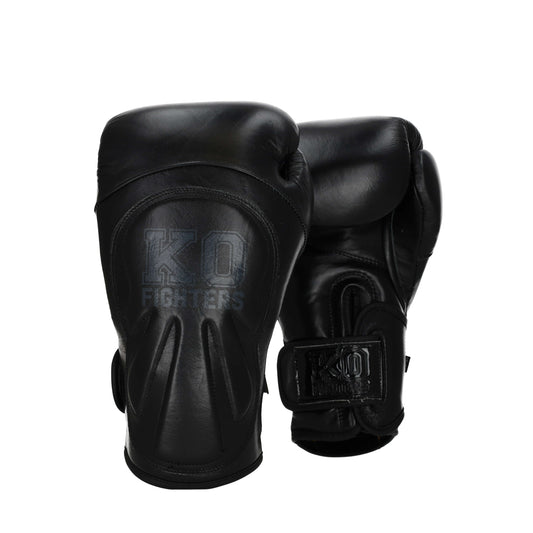
Make sure you have the right equipment – good Thunder Strike boxing gloves are ideal for beginners due to their comfort and affordability.
Wednesday - Conditioning Training (45 minutes)
- Warm-up: 10 minutes jogging
- Circuit training: 25 minutes (burpees, mountain climbers, squat jumps)
- Core work: 10 minutes planks and sit-ups
Friday - Bag Training (60 minutes)
- Warm-up: 10 minutes stretching and mobility
- Bag training: 6 rounds of 2 minutes (1 minute rest)
- Cooling down: 10 minutes stretching
Advanced Kickboxing Training Schedule
For experienced kickboxers training 4-5 times a week, the schedule becomes more intense and specialized.
5-day Schedule for Advanced
Monday - Technique & Sparring
Focus on refining combinations and sparring training. Use professional equipment such as Punch Machine 2.0 boxing gloves for optimal performance during intensive sessions.
Tuesday - Strength & Explosiveness
- Olympic lifts and plyometric exercises
- Heavy bag training
- Resistance training
Wednesday - Active Recovery
Light technique training, yoga, or swimming.
Thursday - Conditioning & Cardio
- HIIT training
- Padwork
- Interval running
Friday - Full Training
Combination of all aspects: technique, strength, speed, and endurance.
Important Training Components
Protective Equipment
Safety always comes first. Invest in quality equipment such as Kickmachine shin guards for leg work training and always wear professional boxing bandages to protect your wrists and hands.
Recovery and Nutrition
Recovery is just as important as training. Plan at least 7-8 hours of sleep per night and ensure adequate nutrition with enough protein for muscle growth.
Adjusting Your Training Schedule
Always listen to your body. Feeling tired or in pain? Then adjust your schedule. It’s better to take one day off than to be out for weeks due to injury.
Periodization
Vary your training every 4-6 weeks. This prevents plateaus and keeps you motivated. Alternate between strength, technique, and conditioning phases.
Schedules for Different Goals
For Weight Loss
Focus on higher intensity, more cardio, and shorter rest periods between exercises.
For Competition
More sparring, technique training, and mental preparation. Plan your training around competition dates.
For General Fitness
Balance all aspects with less intensity but more variety to keep it fun.
A good kickboxing training schedule is your roadmap to success. Start today with a schedule that fits your level and build up systematically. Remember that consistency is more important than perfection – it’s better to train 3 times a week than to go all out once.
Ready to start? At KO Fighters you’ll find all the professional equipment you need for successful kickboxing training. From beginners to professionals – we have everything you need to reach your goals.
Frequently Asked Questions
How often per week should I kickbox for optimal results?
Beginners train best 3 times a week, advanced practitioners can train 4-5 times. Always ensure enough rest days between intense sessions to avoid overtraining and recover optimally.
What equipment do I need for kickboxing training?
Essential equipment includes boxing gloves, hand wraps, shin guards, and a mouthguard. The Thunder Strike boxing gloves are perfect for beginners looking for quality at an affordable price.
How long should a kickboxing training session last?
An average kickboxing training session lasts 60-90 minutes, including warm-up and cool down. Beginners can start with 45-60 minutes and gradually increase as their fitness improves.
Can I train kickboxing at home without a partner?
Yes, you can train excellently at home with shadowboxing, bag training, and conditioning exercises. A punching bag, gloves, and enough space are enough to train effectively and improve your techniques.